+40 752 388 388WhatsApp
V
Vaias Aparts
Târgu Neamț — fortress, market town and monasteries. — Vila Vaias Aparts
Town history

Târgu Neamț — fortress, market town and monasteries.

A settlement that grew in the shadow of a medieval fortress, in Romania’s richest monastic region.

The name

A market town and “Neamț”

“Târgu” simply means market town — the place where people gathered to buy and sell. That has always been the heart of the settlement: a trading point where the roads of northern Moldavia meet.

The second part of the name, “Neamț”, most likely comes from “Német” — the word for Germans and the name given to German settlers, which local tradition also links with the Teutonic Knights. So the town’s very name records a meeting of worlds: Romanian trade and a foreign presence, the market and the fortress.

The fortress

A town that grew in the shadow of the fortress

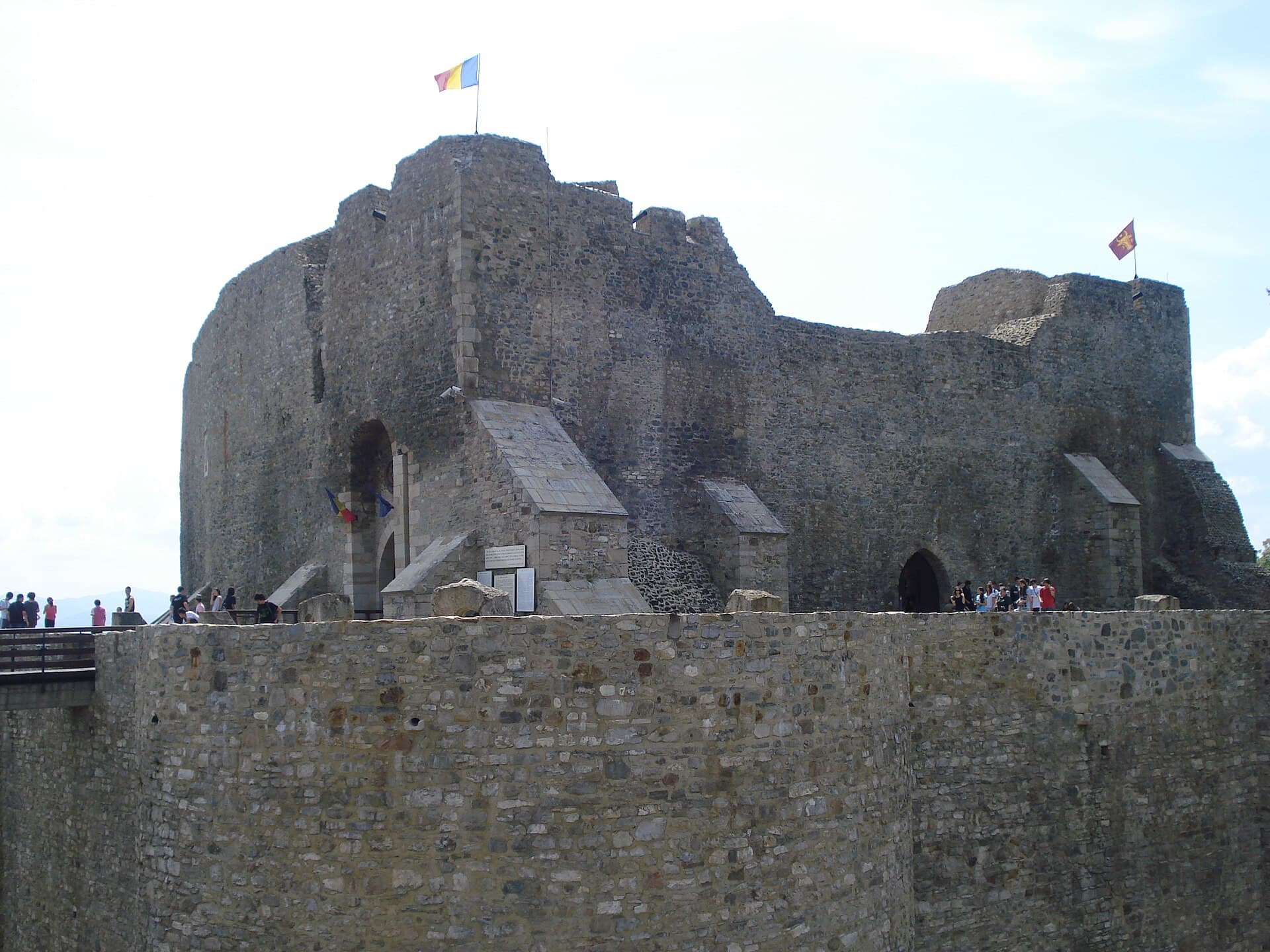
Târgu Neamț grew up around Neamț Fortress, built in the 14th century and later strengthened by Stephen the Great, who added the curtain wall and bastions. From its hilltop the fortress watched over the Ozana valley and the roads to the mountains — an outpost of medieval Moldavia.

At the foot of the fortress, the market became a colourful trading hub where Romanian, Armenian and Greek merchants kept their shops side by side. That diversity has left its mark to this day: old houses from the 18th and 19th centuries, a synagogue from 1870, and a historic centre that still keeps the rhythm of the old market town.

Spirituality

The land of monasteries

The Neamț area has the greatest concentration of Orthodox monasteries in Romania. Within just a few kilometres of one another lie Neamț Monastery — the oldest and most important monastic centre in Moldavia, a cradle of printing and medieval culture — and then Agapia, Văratec, Secu, Sihăstria and Bistrița.

For pilgrims, and for anyone simply looking for peace and quiet, the area is a kind of Romanian Athos: beech forests, hidden hermitages, springs and bells marking the hours of the day. Vila Vaias Aparts sits right in the middle of it.

Ion Creangă

The great storyteller’s village

Humulești — today part of Târgu Neamț — is where Ion Creangă was born, Romania’s best-loved storyteller. This is where he lived the childhood he would later set down in “Memories of My Childhood”, the book whole generations have read at school.

His memorial house, low-built with a white porch, has stayed almost unchanged. A visit is a step back into the world of young Nică — the hearth, the cradle, the sour cherry tree in the yard and the feel of a village from another age.

Nature

The bison have come home

Since 2012, a herd of European bison has lived in Vânători-Neamț Nature Park — the symbol of medieval Moldavia, brought back here after the species had vanished from the wild. The “Dragoș Vodă” reserve offers one of the few chances in the country to see this imposing animal up close.

The forest, viewing points and trails make a visit a wonderful experience for families and children — and bring a fitting end to the story of a place where history, faith and nature go hand in hand.

“Târgu Neamț is not a loud place. It is a place that rewards those who listen.”

Come and hear the story for yourself.

Boutique accommodation right in the centre, a few steps from the old town and ten minutes from the fortress.

Book